Riser sleeves
The Function of Riser Sleeves in Sand Casting
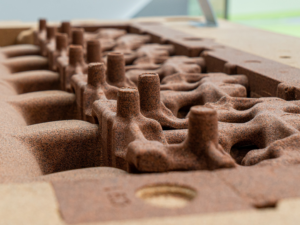
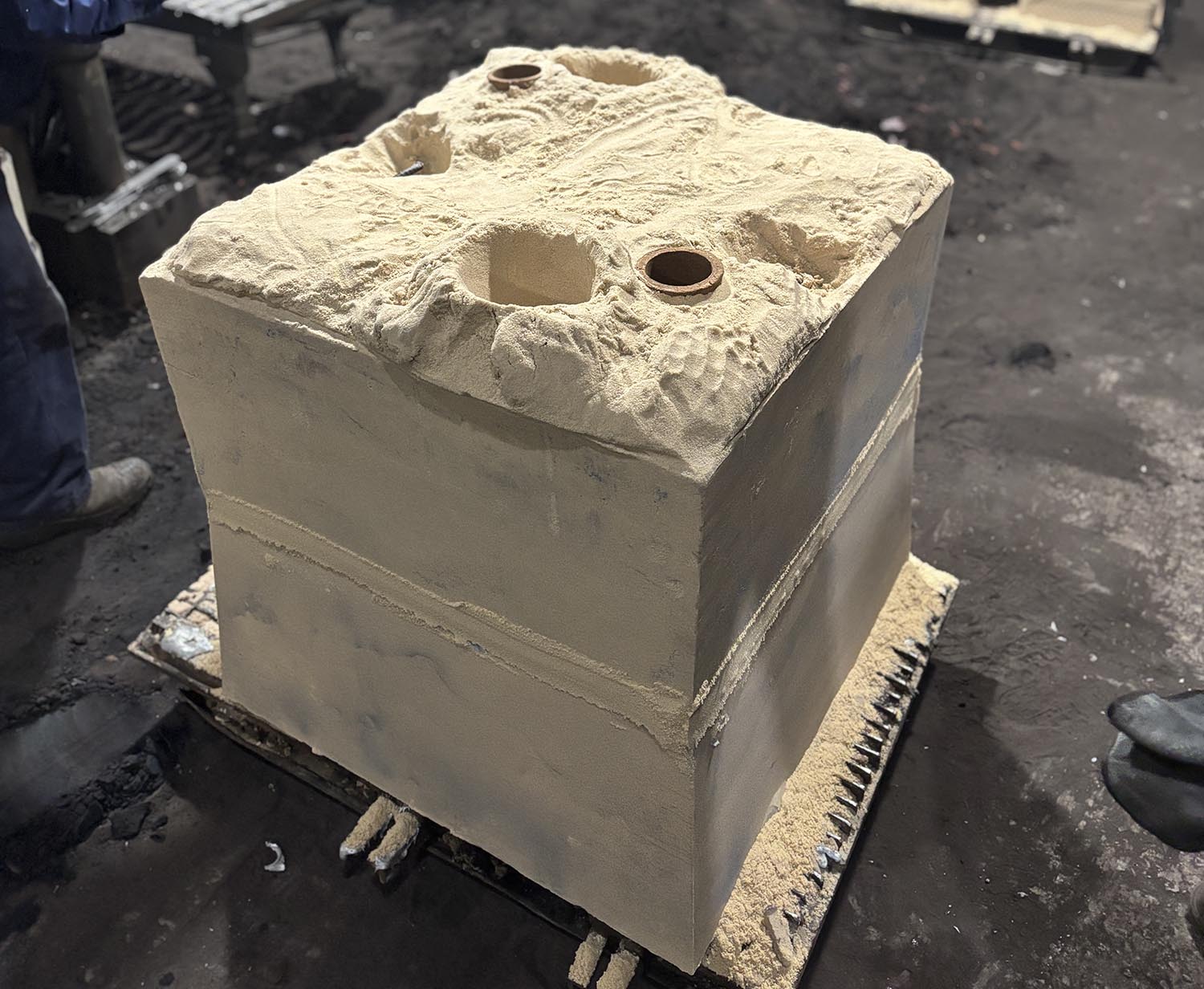
Riser sleeves are either vacuum-formed components or cold-box binder-produced components that are inserted directly into the sand mold to create a controlled reservoir of liquid metal. This reservoir feeds the casting as it solidifies, ensuring proper directional solidification and reducing the risk of shrink-related defects.
- Insulating, exothermic, and high-performance sleeve options
- Designed to improve feeding efficiency and maximize yield
- Technical expertise for foundry-specific applications
Product Overview
What Riser Sleeves Do in Sand Casting
Riser sleeves are either vacuum-formed components or cold-box binder-produced components that are inserted directly into the sand mold to create a controlled reservoir of liquid metal. This reservoir feeds the casting as it solidifies, ensuring proper directional solidification and reducing the risk of shrink-related defects.
By keeping molten metal readily accessible throughout the cooling process, riser sleeves significantly enhance casting quality and reliability. In addition to improving feeding performance, riser sleeves help reduce heat loss from the riser. By retaining heat more effectively, they enable foundries to reduce the riser's overall size while maintaining optimal feeding characteristics.
A smaller riser directly translates into improved yield—more usable casting and less excess metal to remelt—resulting in meaningful cost savings over time.
- Prevent shrinkage defects and piping
- Support directional solidification
- Reduce heat loss from the riser
- Reduce riser size while maintaining feeding performance
- Improve casting yield and reduce remelt requirements
- Enhance casting quality and reliability
Sleeve Types
A Wide Range of Shapes and Configurations
Every casting application presents unique feeding challenges. That’s why Carpenter Brothers offers riser sleeves and feeders in a variety of shapes and sizes to accommodate diverse mold designs and production requirements.
Available Configurations
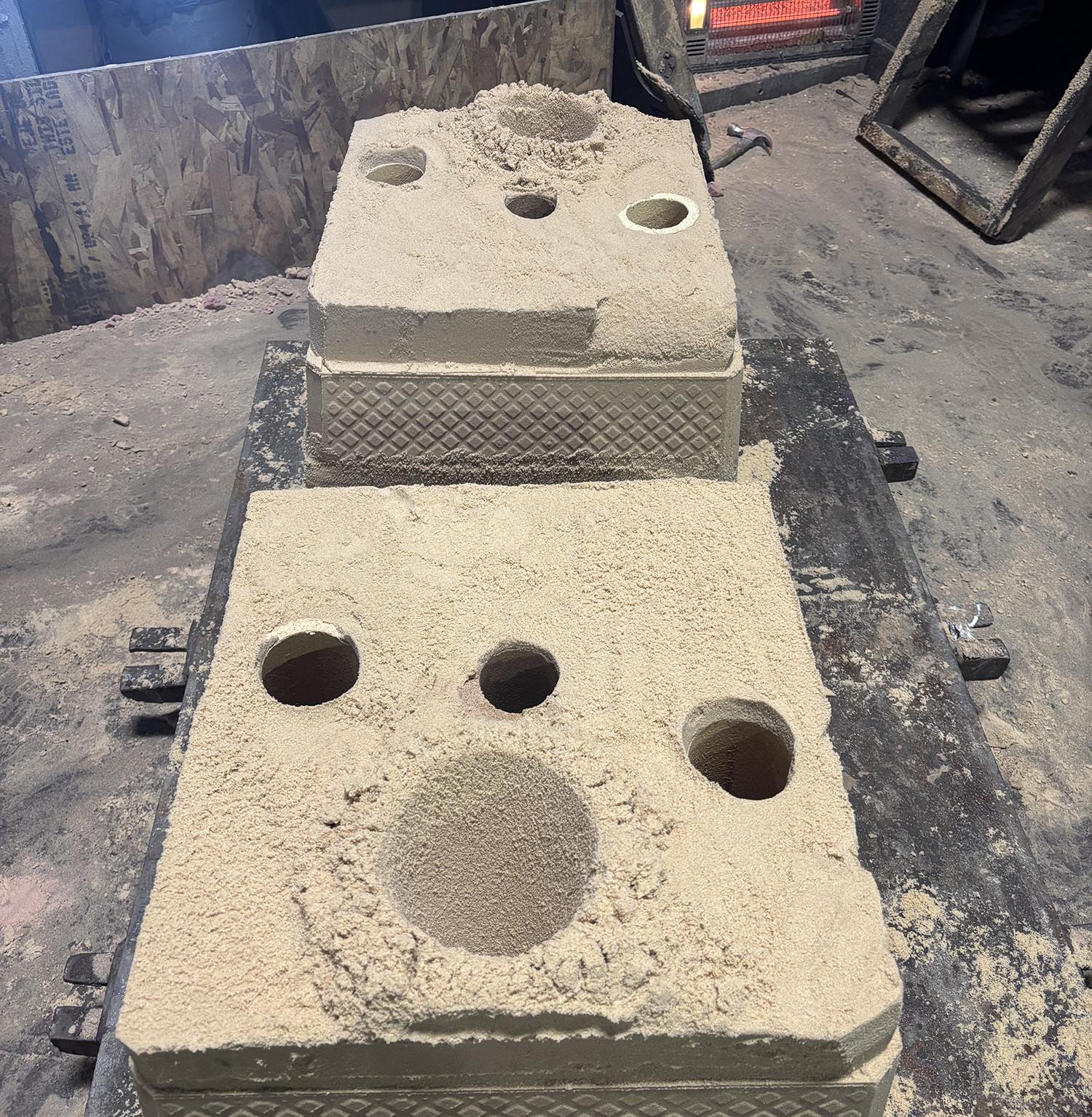
Our product offerings include standard cylindrical riser sleeves, dome and spherical designs including firecracker core configurations, blind risers, direct pour sleeves, neckdown configurations, cone-shaped riser sleeves, and telescopic two-piece riser sleeves.
Application-Specific Selection
Each design serves a specific purpose, whether you are optimizing feeding efficiency, controlling solidification patterns, or working within tight mold geometries. Our technical sales team works closely with foundries to determine the best riser sleeve configuration based on casting design, alloy type, and process parameters.
Why Foundries Use Them
Insulating, Exothermic, and High-Performance Riser Sleeve Benefits
Carpenter Brothers supplies insulating riser sleeves, exothermic riser sleeves, and high-performance riser sleeves to help foundries match sleeve performance to the needs of the casting and the production process.
Insulating Riser Sleeves
Insulating riser sleeves are designed to minimize heat loss by reflecting thermal energy back into the molten metal. By refracting heat toward the casting, these sleeves help maintain a reservoir of liquid metal for a longer duration without relying on chemical heat generation.
Exothermic Riser Sleeves
For iron and steel castings that demand extended feeding times and higher thermal input, exothermic riser sleeves provide enhanced performance. These sleeves utilize an exothermic reaction that generates additional heat, helping maintain the metal in a molten state for a longer period during solidification.
High-Performance Riser Sleeves
For advanced and highly complex casting applications, our high-performance riser sleeves deliver superior results. These sleeves use a two-piece telescopic design that slides during mold compaction to prevent sleeve damage and enhance sand density at the feeder-casting transition.
Yield and Cost Improvement
One of the most important benefits of properly selected riser sleeves is yield improvement. Yield refers to the percentage of molten metal poured that becomes usable casting. Larger risers increase scrap and remelt requirements, adding both time and cost to the production cycle.
Application Guidance
How to Choose the Right Riser Sleeve for Your Casting Process
Selecting the right riser sleeve is not simply a matter of choosing a shape or material—it requires a thorough understanding of metallurgy, solidification patterns, mold design, risering and gating, and production goals.
- Casting design and mold geometry
- Alloy type and thermal requirements
- Feeding performance and directional solidification needs
- Desired yield improvement targets
- Production process parameters
- Finishing and post-casting labor reduction goals
Carpenter Brothers, Inc. has been serving the metal casting industry since 1917, combining high-quality products with deep technical expertise. Our experienced technical sales and engineering team works directly with foundries to evaluate casting requirements and recommend solutions that improve performance.
Whether you are troubleshooting shrinkage issues, optimizing yield, or transitioning to new alloys, we provide practical, application-driven support.
Request a Quote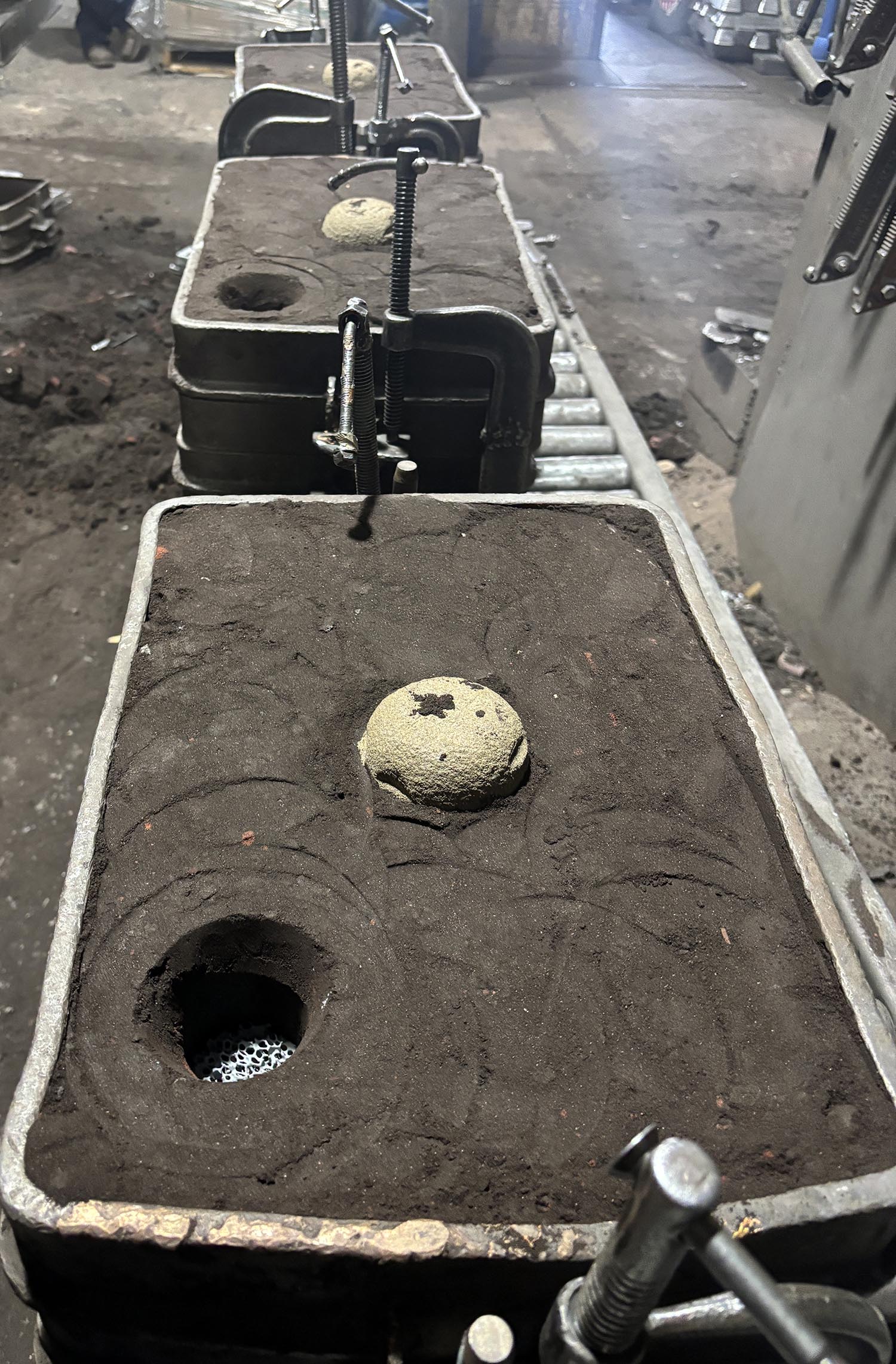
Common Use Cases
Riser Sleeve Applications Across Foundry Production
Carpenter Brothers offers riser sleeve options to support a wide range of foundry applications where feeding control, yield, and casting quality are critical to production success.
Insulating Sleeve Applications
Ideal where moderate feeding support is sufficient and foundries need improved thermal retention but do not require the additional heat input provided by exothermic materials.
Exothermic Sleeve Applications
Well suited for iron and steel castings that demand extended feeding times, higher thermal input, and improved resistance to shrinkage defects in heavier or more complex castings.
Complex Casting Geometries
High-performance sleeves are especially well-suited for intricate casting geometries and rapid molding processes where controlled solidification, stronger feeding performance, and smaller riser volumes are important.
Lean Manufacturing Programs
These sleeves help foundries focused on efficiency, automation, and lean manufacturing reduce waste, improve yield, lower energy use associated with remelting excess riser metal, and support better overall production efficiency.
Technical Support
Need Help Comparing Riser Sleeve Options for Your Foundry?
Talk with Carpenter Brothers about insulating, exothermic, and high-performance riser sleeve solutions that can help improve casting quality, reduce costs, and drive better results in your foundry operations.
Contact Carpenter BrothersWhy Carpenter Brothers
Technical Expertise and Foundry Product Support You Can Rely On
As a trusted supplier to foundries across the United States, Carpenter Brothers is committed to helping our customers produce high-quality castings efficiently and cost-effectively.
Our team understands that selecting the right riser sleeve is not simply a matter of choosing a shape or material. It requires application knowledge, reliable support, and a partner that understands metallurgy, solidification patterns, mold design, risering and gating, and production goals.
FAQ
Frequently Asked Questions About Riser Sleeves
What is the purpose of a riser sleeve in sand casting?
A riser sleeve creates a controlled reservoir of molten metal that feeds the casting during solidification, helping prevent shrinkage defects and piping while supporting proper directional solidification.
What is the difference between insulating and exothermic riser sleeves?
Insulating sleeves primarily reduce heat loss and reflect thermal energy back into the molten metal, while exothermic sleeves also generate additional heat to keep metal molten longer during solidification.
Can riser sleeves help improve yield?
Yes. By improving thermal efficiency, feeding performance, and allowing smaller riser volumes, riser sleeves can reduce scrap, lower remelt costs, reduce energy consumption, and increase usable casting yield.
What makes high-performance riser sleeves different?
High-performance riser sleeves use a telescopic two-piece design and high-yield exothermic composition to improve sand density, reduce sleeve damage, create defined break-off points, reduce cleaning and grinding costs, and deliver up to 50–75% of contained metal to the casting.
Get Started
Request a Quote for Riser Sleeves or Ask About Foundry Product Availability
Riser sleeves are a small but essential component in achieving reliable, defect-free castings. With a full range of insulating, exothermic, and high-performance options available in multiple shapes and configurations, Carpenter Brothers delivers the solutions foundries need to optimize feeding efficiency and maximize yield.
To explore our complete selection of riser sleeves and discuss your application needs, visit: https://www.carpenterbrothersinc.com/foundry_products/molding-and-core-making/riser-sleeves/
Let our team help you improve casting quality, reduce costs, and drive better results in your foundry operations.