
Posts by Drew Clawson
Riser Sleeves and Feeding Technology

Producing sound castings depends on one core principle: controlled, directional solidification. As molten metal cools, it shrinks. If that shrinkage is not properly fed with additional liquid metal, internal voids and porosity can form. The riser serves as a reservoir of molten metal to compensate for this contraction. Riser sleeves enhance this function, improving feeding…
Read MoreAdvancing Foundry Melt Shops with Induction Technology
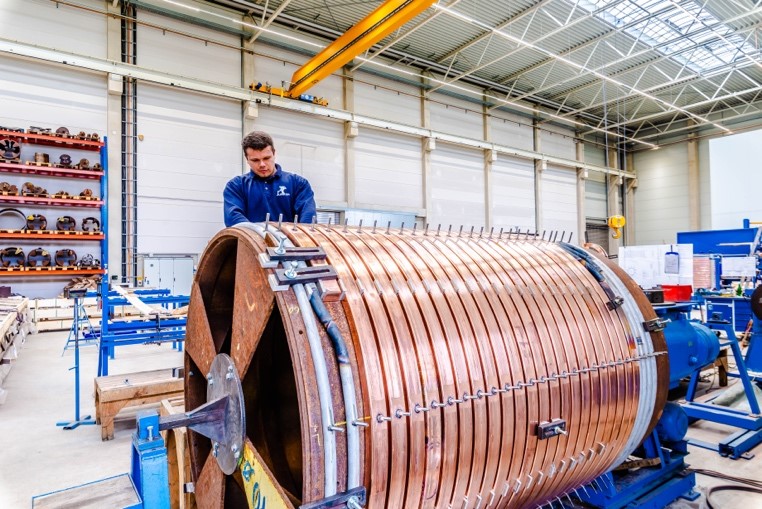
Foundries today face growing pressure to increase productivity, reduce energy consumption, enhance metallurgical control, and operate with greater environmental responsibility. Otto Junker’s portfolio of medium-frequency coreless induction furnaces and channel-type induction furnaces provides a technologically advanced solution designed to meet these requirements. These systems offer a combination of high-power density, excellent process control, operational flexibility,…
Read MoreCritical Role of Inoculants in Gray & Ductile Iron Production

For metallurgists and foundry engineers, the quest for perfecting cast iron components is a continuous pursuit of balance and precision. Achieving desired mechanical properties, ensuring castability, and eliminating defects are daily challenges. At the heart of this endeavor lies a critical, yet often misunderstood, metallurgical process: inoculation. This practice is fundamental to controlling the final…
Read More