Improving MgFeSi Recovery in Ductile Iron
While using MgFeSi to produce ductile iron can be very cost-effective compared to alternative treatment methods, it can sometimes get out of hand with high usage rates. Several benefits can be realized when improving the recovery of magnesium in producing ductile iron and lowering those addition rates.
- Reduced treatment costs through lower addition rates
- Reduced slag generation and cleaner treatment ladles
- Lower scrap due to a decrease in slag-type defects
The addition rate (defined as the amount of MgFeSi used, in lbs., divided by the amount of iron treated) can vary anywhere from as low as 0.9% to as high as 2.5%. The addition rate is affected by several foundry variables, and our goal is to turn as many of those variables into constants.
- Treatment Temperature – Two things to consider about the treatment temperature: 1) it should be consistent from treatment to treatment, and 2) it should be as low as possible. A consistent treatment temperature will give you more predictable recoveries, whether good or bad. A lower temperature will also give you a higher magnesium recovery. In any foundry, the treatment temperature is driven by the pouring temperature at the molding line.
- Ladle Heat Loss – Reducing the amount of temperature lost in the ladle between the time of treatment and pouring can help bring down the treatment temperature while maintaining a constant pouring temperature. Well-insulated ladles using lower alumina refractories and insulating paper can help to reduce heat transfer through the lining and shell. The higher the alumina content of the refractory, the higher the heat transfer. Thus, the lower the alumina content, the lower the heat transfer.
- Pouring Ladles & Pouring Devices – The same logic from above can be applied here. Proper refractories and insulating paper can reduce temperature losses in pouring boxes and keep pouring ladles hotter. Typically, these units cool down and must be reheated by the newly treated iron added – hence, the higher treatment temperature.
- Treatment Time – The time it takes to fill a treatment ladle should be constant and as fast as is reasonably and safely possible. The quicker the fill, the higher the magnesium recovery due to a more significant amount of iron over the top of the treatment alloys to absorb the magnesium.
- Ladle Design – The ideal treatment ladle should have a height-to-diameter ratio of 2:1. This essentially allows a “deeper” amount of iron to cover the treatment alloy before it begins to react and improves recoveries.
- Cover Material – This doesn’t work in every location. The favored materials are steel punchings or a 50% or 75% FeSi alloy. Cover material delays the reaction between the MgFeSi and the iron long enough to build up a head of iron above the treatment alloy. The more cover alloy used (to a point), the more it will help delay the reaction.
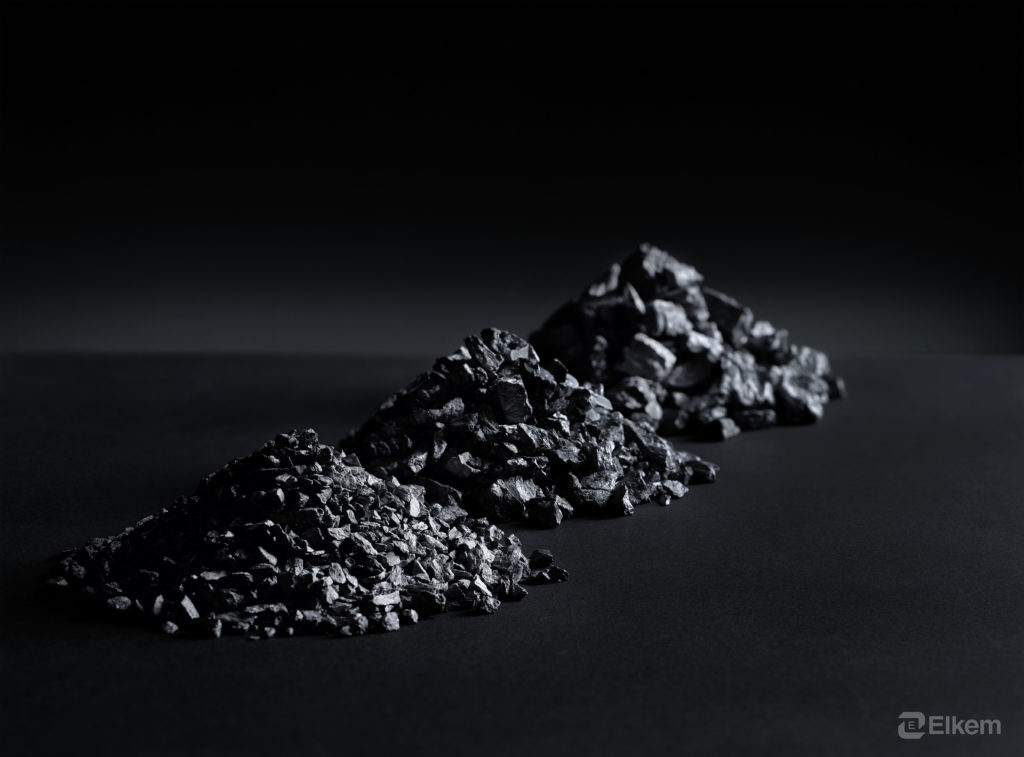
- Alloy Sizing – Becomes even more critical in operations where the treatment size is very small, typically under 1,000 lbs. Larger alloys will take longer to react and tend to float to the top of the ladle. This will cause the magnesium not to be captured in the iron. Compare large alloy material (1-1/4”) against smaller alloy material (1/2”) and look at a pound of each material. The ½” material has a greater surface area than the 1-1/4″ material. This will expose more material to the iron and thus go into solution faster. Going too far to the fine size can cause the material to float, get caught up in dross and slag, and not fully react.
These are not “hard and fast” rules, but they are good guidelines to follow. What may work in one foundry may not necessarily work in another. If you are looking for help improving your MgFeSi recovery rate, contact us.