
Molybdenum—known throughout the metals industry simply as “Moly”— is a workhorse alloying element shaping the performance of today’s most demanding engineered components. Although it rarely gets the spotlight, Moly’s impact is enormous. It is fundamental in steels, irons, and nickel-based alloys where high strength, corrosion resistance, wear resistance, and high temperature stability are required. Let’s explore more about Moly, why it is used, how it is added in metalcasting and steelmaking, how to maximize recoveries, and where design engineers and metallurgists will find its greatest value.
Why Moly?
Molybdenum’s metallurgical value comes from its ability to increase strength, hardness, toughness, high temperature capability, and corrosion resistance in a wide range of alloys. Molybdenum additions give alloy steel and iron a combination of strength, toughness and wear resistance not possible with unalloyed steels and makes a unique
contribution to hot strength, corrosion resistance and toughness. Many industries, from brakes to turbines, have increasing demands for tougher, hotter running, and more corrosion resistant materials that make Moly indispensable.
Benefits of Adding Moly to Iron and Steel
The technical and economic benefits are the foundation of induction melting’s global growth. Induction melting offers close temperature and process control, delivering high analytical accuracy and reproducibility. High analysis accuracy refers to the furnace system’s ability to maintain precise and reproducible chemical composition measurements of the molten metal during melting. The high power density design enables rapid melting rates and efficient energy transfer. There is the ability to process
a wide range of charge materials supporting flexible, grade-to-grade changeovers, and the furnace can operate with or without a heel, enhancing overall operational versatility. For metallurgists and process engineers, the ability to manage a selective and controlled bath movement provides enhanced metallurgical consistency, while management teams value high melt availability, easy operation, and maintenance.
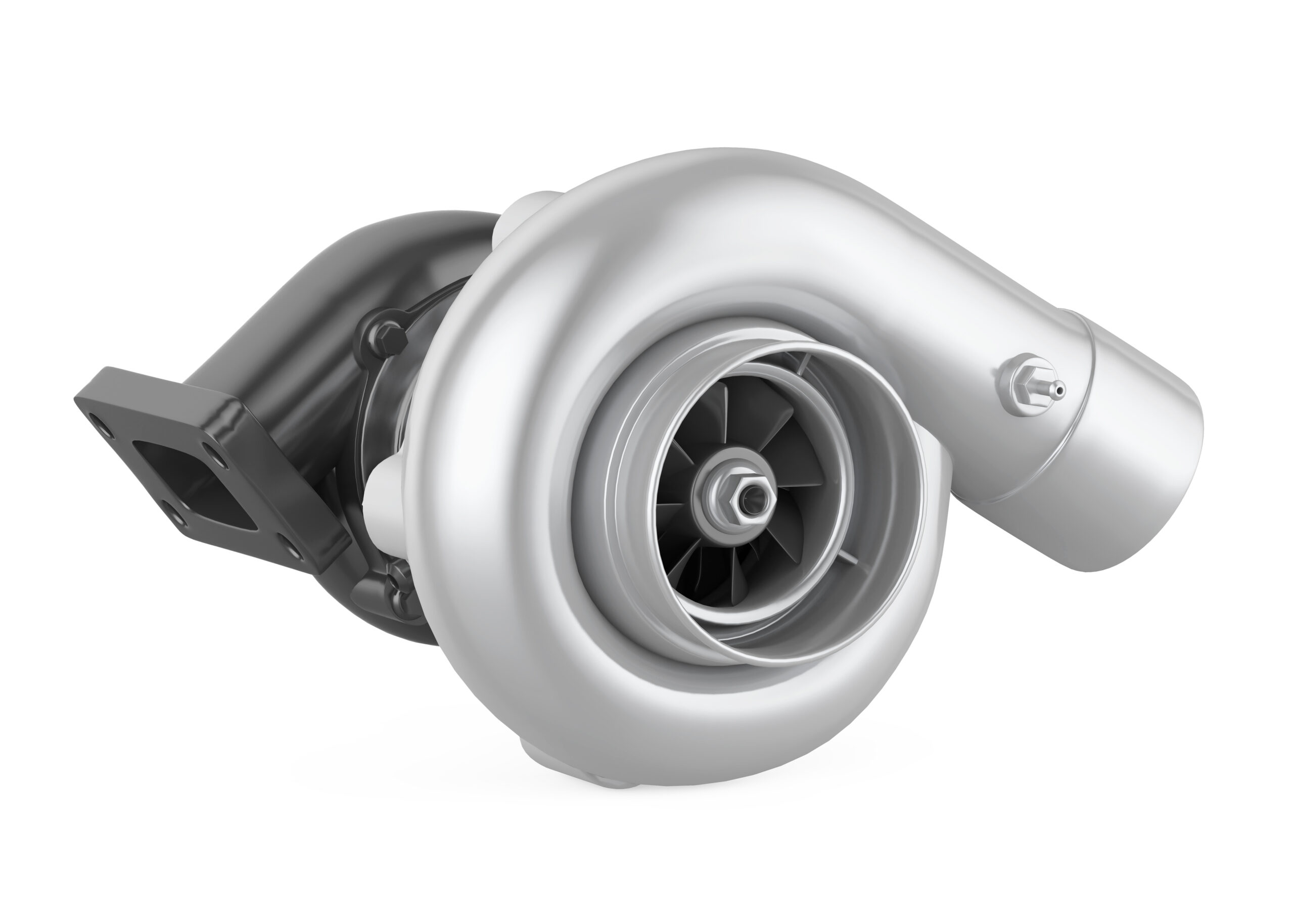
There are several mechanical property benefits of Moly across various alloy systems. In tool steels and high-speed steels, hardness and wear resistance increase. In stainless steel and ductile iron, Moly increases the elevated temperature strength and creep resistance, both of which are critical for turbochargers, powertrain, and exhaust components. Toughness can be enhanced when substituting silicon with Moly in ductile irons. Moly improves the pitting and crevice corrosion resistance of stainless steel in marine & chlorine-rich environments. In HSLA steels, Moly is added to improve weldability and strength and are commonly used in the body structure of an automobile.
Material design is often a compromise. The benefits are listed above. The challenges of Moly addition are balanced via metallurgy and composition, and include:
- A potent carbide-former that can reduce ductility and elongation if levels are too high in standard ductile irons
- Segregates to grain boundaries, requiring careful control of section thickness and cooling rate.
- Challenging to machine the casting

Benefits in Nickel-Based Alloys
Nickel based alloys rely on Moly for corrosion resistance and high temperature strength. These high performance alloys are widely used in the chemical processing, aerospace, pharmaceuticals, oil and gas, petrochemical, and pollution control industries, and in high wear resistant laser claddings.
Processing Moly in the Foundry
Foundries typically introduce Moly as Ferro Molybdenum (FeMo), generally containing 60–75% molybdenum, remainder as iron. The iron content eases the process to get the Moly into solution. It may also enter as scrap steel containing residual molybdenum, although this requires careful segregation and control due to its carbide forming tendencies in some irons. FeMo is added either in the charge or as a ladle addition, depending on the melt practice and target chemistry. Because Moly segregates to last freeze areas and stabilizes carbides, controlling section size, cooling rate, and carbon equivalent is
essential in iron casting operations.
To maximize molybdenum recovery in iron and steel castings, add Mo through clean FeMo ferroalloy and maintain strict segregation of Mobearing scrap to control final chemistry. Because Mo oxidizes during melting but does not revert from solution, minimize oxidation by protecting the melt surface and adding FeMo under reduced oxidation conditions. Time the additions so FeMo fully dissolves without prolonged exposure to oxidizing slags. Since Mo segregates to last to freeze regions and cannot be removed once added, deliberate scrap management and controlled charging practices help ensure consistent alloy levels and improved recovery.
Typical addition rates for Molybdenum Alloying include:
Up to 0.3% in irons for austempering (ADI) hardenability 0.4–1.2% in SiMo ductile irons for high temperature applications 0.6–1.0% for creep resistance in exhaust components 2–7% in stainless steels Moly has been an alloying element as far back as a 14 th -century Japanese sword. Moly
is counted on for its ability to enhance strength, toughness, corrosion resistance, high temperature stability, and wear resistance making it a critical consideration for design engineers, metallurgists, and process engineers. It enables lighter, stronger, and more durable components across industries.

Carpenter Brothers Inc is a team of engineers and metallurgists who have been serving the metal casting industry for over 100 years. We offer sales and technical assistance on ferro molybdenum (FeMo). If you are designing a new alloy for high temperature performance, corrosion resistance, or improved durability in castings or steels, engage with us to explore how Moly can enhance your product.
(https://www.carpenterbrothersinc.com/).
Metal Casting Products
Carpenter Brothers, Inc. offers a full line of metal casting consumable products. Products that are used in the ferrous, non ferrous, investment casting and die casting industries.
Foundry Equipment
Carpenter Brothers, Inc. offers a complete line of foundry equipment to meet the requirements of the Metal Casting Industry. Founded in 1917, by Everett and Milton Carpenter.
Investment Casting
Carpenter Brothers, Inc. supplies products and equipment used by the investment casting industry daily! We offer sand for every aspect of your process.