
Uncategorized
Engineered for Every Pour: HA International’s Cold Box Resin Systems
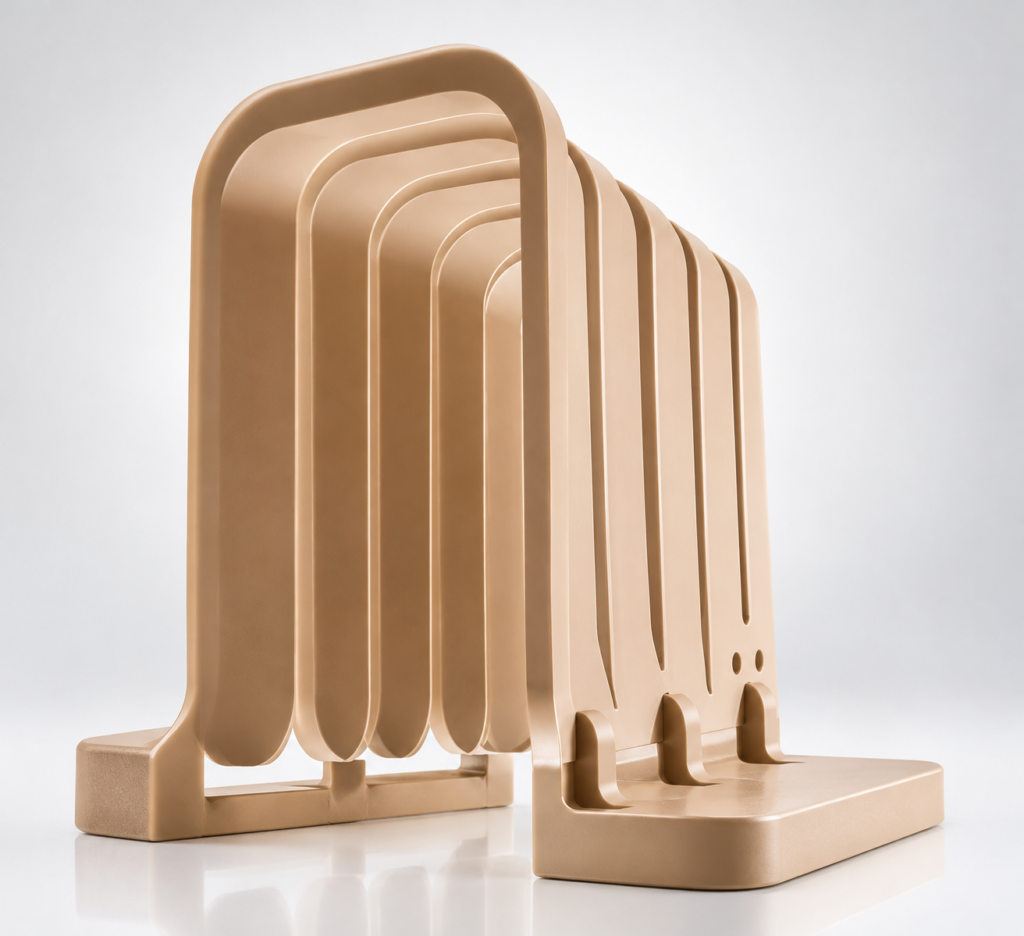
Foundries never face identical conditions twice. Alloy chemistry shifts, core geometry changes, humidity swings from one shift to the next, and shakeout requirements vary by casting type. For metallurgists, process engineers, and quality engineers working with the cold box line, the binder system you choose has to flex with all of that variability without sacrificing…
Read MoreThe Foundry Advantage of No-Bake Systems
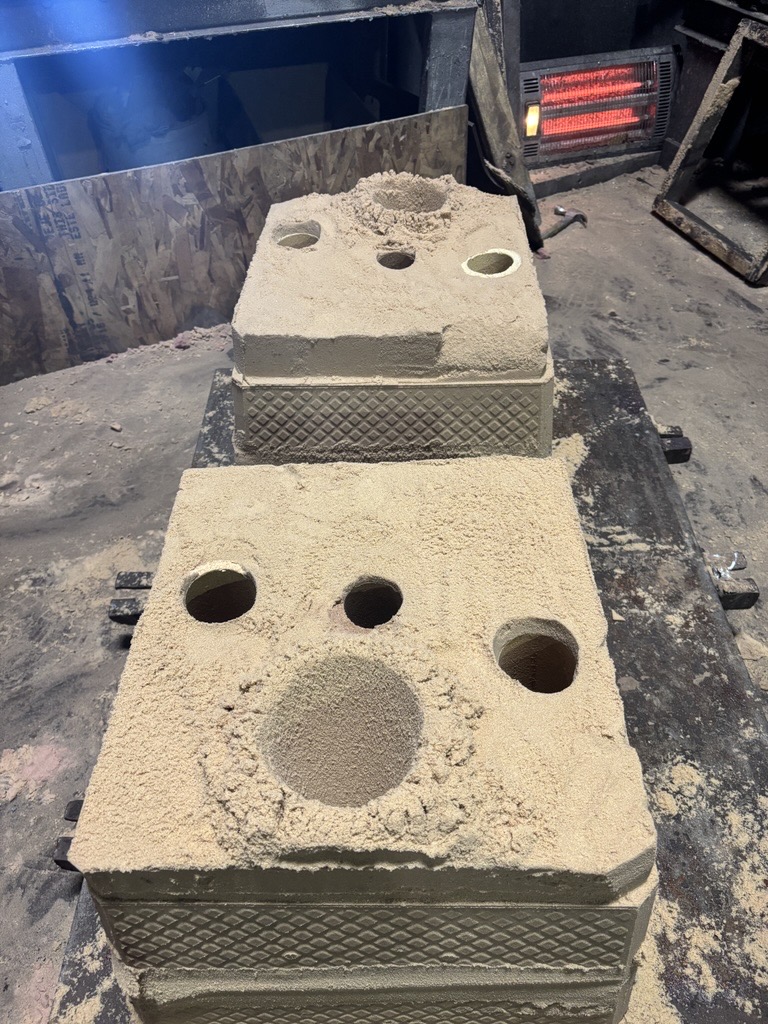
If your foundry is exploring chemically bonded molding options, the decision often comes down to three things: casting quality, foundry environment, and total cost of ownership. As a proud distributor for HA International, Carpenter Brothers Inc. works with foundries every day to help them choose the right no-bake binder systems for their metal, their production…
Read MoreSinto Bentonite Recovery System: Lower Sand Costs and Better Green Sand Control

Why Recovering Active Clay Matters For plant managers, green sand performance is not just a process issue. It is a cost issue tied to bentonite consumption, mold production, casting quality, landfill expense, energy use, and equipment wear. The Sinto Bentonite Recovery System offers a direct way to improve all of them by recovering active clay…
Read MoreZircon Sand and Flour: A Specialty Foundry Material
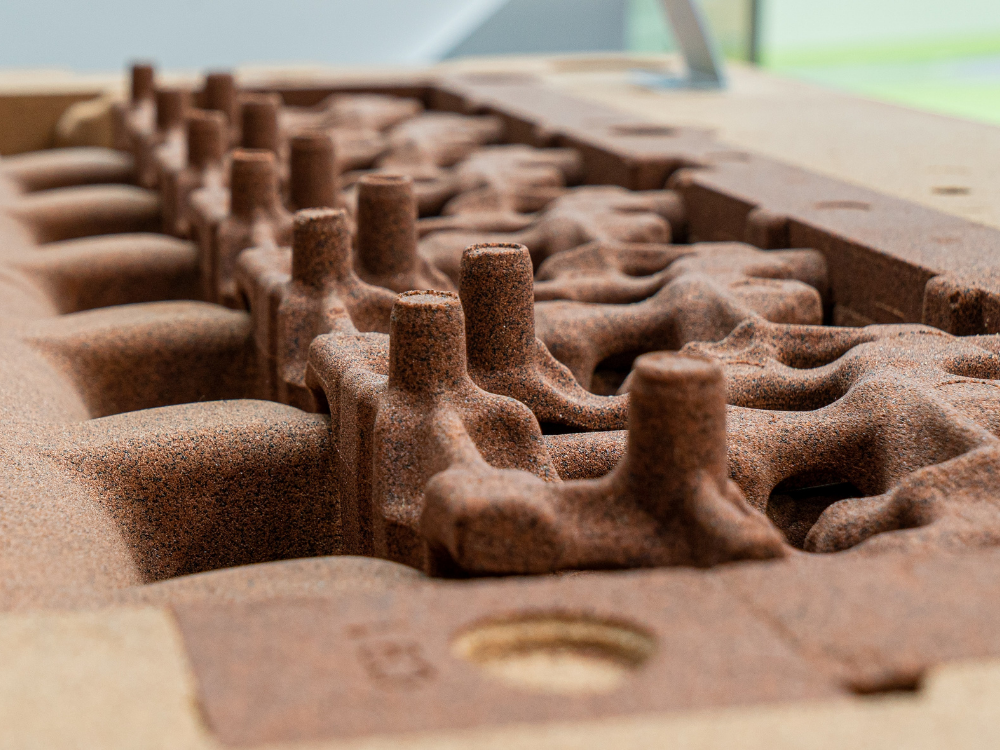
Foundry engineers and metallurgists who need dimensional precision under extreme heat turn to zircon. Zircon sand and flour is specified when the alloy, the geometry, or the surface finish tolerance leaves no room for error. Investment casting shops producing turbine blades, aerospace components, and complex high alloy steel parts depend on zircon flour for prime…
Read MoreImprove Casting Quality by Using Green Sand Premix
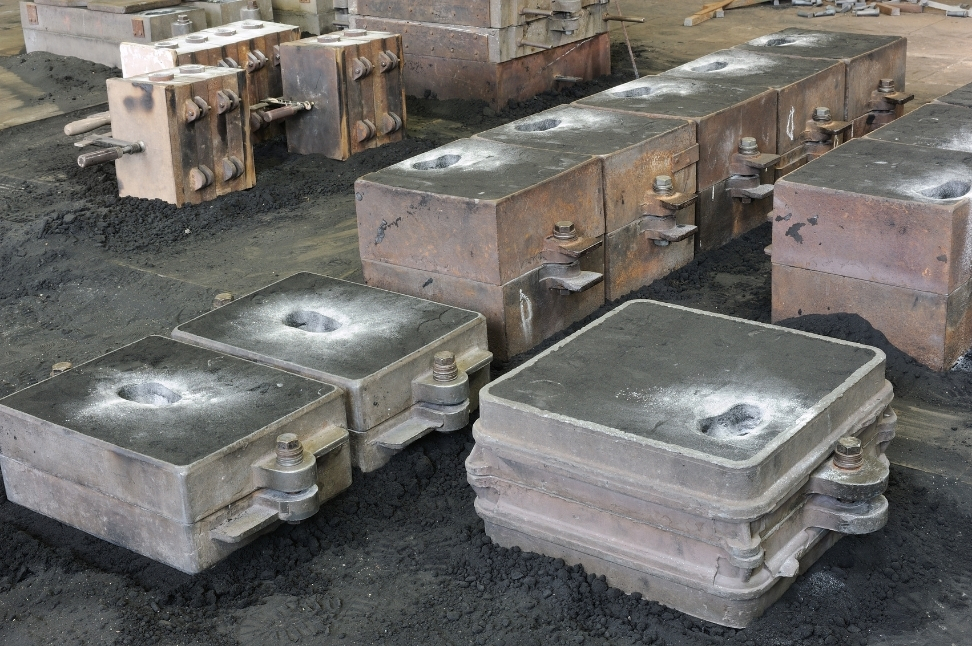
Key Takeaway In green sand foundry practice, the sand system itself is not premixed — rather, a premix additive package consisting of bentonite(s), seacoal, and auxiliary materials is added to the system sand during mulling. Engineered premix formulations from HWI simplify additions, tighten process control, and deliver consistent metallurgical performance across iron and steel casting…
Read MoreFoundry Ladles: Small Equipment Decision, Big Impact on Casting Quality
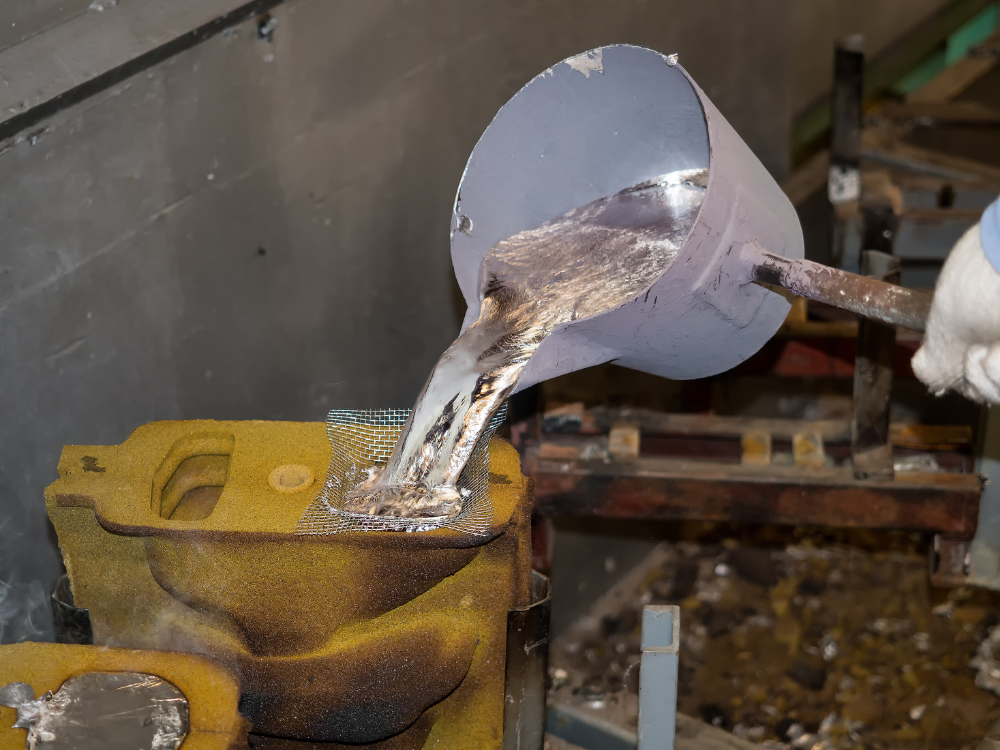
Every casting starts the same way, with foundry ladles. Whether it is iron at 2,600°F, steel at 3,200°F, or aluminum at 1,300°F, someone or something has to safely pick up that liquid metal and put it exactly where it needs to go. That job falls to the ladle, one of the most underappreciated pieces of…
Read MoreFoundry Temperature Measurement

Accurate foundry temperature measurement is the backbone of consistent metal quality. Whether you’re tapping a cupola, treating a ladle, or pouring investment castings, knowing the exact temperature of molten metal in real time determines everything from mechanical properties to yield. For decades, foundries and steel mills have relied on Heraeus Electro-Nite, “HEN” for immersion thermocouples…
Read More