
Posts by evanbruton
Sinto Bentonite Recovery System: Lower Sand Costs and Better Green Sand Control

Why Recovering Active Clay Matters For plant managers, green sand performance is not just a process issue. It is a cost issue tied to bentonite consumption, mold production, casting quality, landfill expense, energy use, and equipment wear. The Sinto Bentonite Recovery System offers a direct way to improve all of them by recovering active clay…
Read MoreZircon Sand and Flour: A Specialty Foundry Material
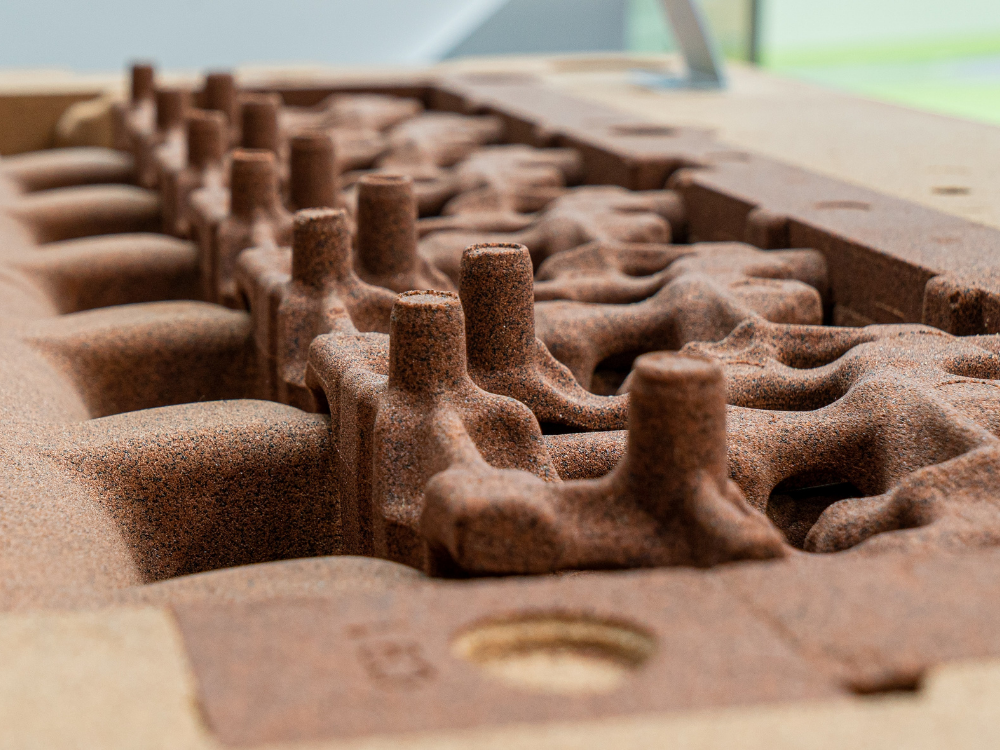
Foundry engineers and metallurgists who need dimensional precision under extreme heat turn to zircon. Zircon sand and flour is specified when the alloy, the geometry, or the surface finish tolerance leaves no room for error. Investment casting shops producing turbine blades, aerospace components, and complex high alloy steel parts depend on zircon flour for prime…
Read MoreImprove Casting Quality by Using Green Sand Premix
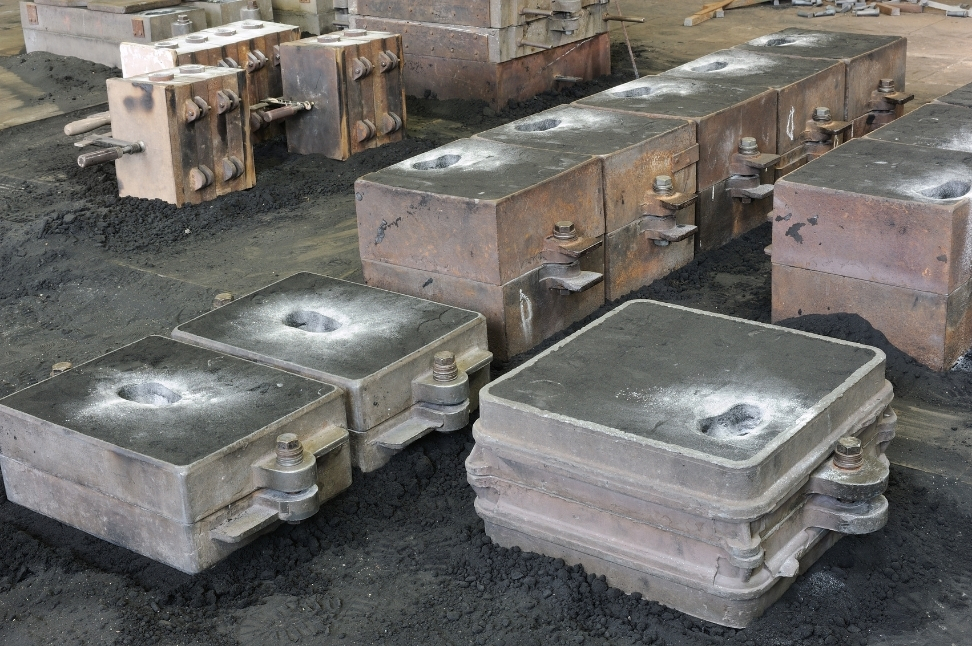
Key Takeaway In green sand foundry practice, the sand system itself is not premixed — rather, a premix additive package consisting of bentonite(s), seacoal, and auxiliary materials is added to the system sand during mulling. Engineered premix formulations from HWI simplify additions, tighten process control, and deliver consistent metallurgical performance across iron and steel casting…
Read MoreFoundry Ladles: Small Equipment Decision, Big Impact on Casting Quality
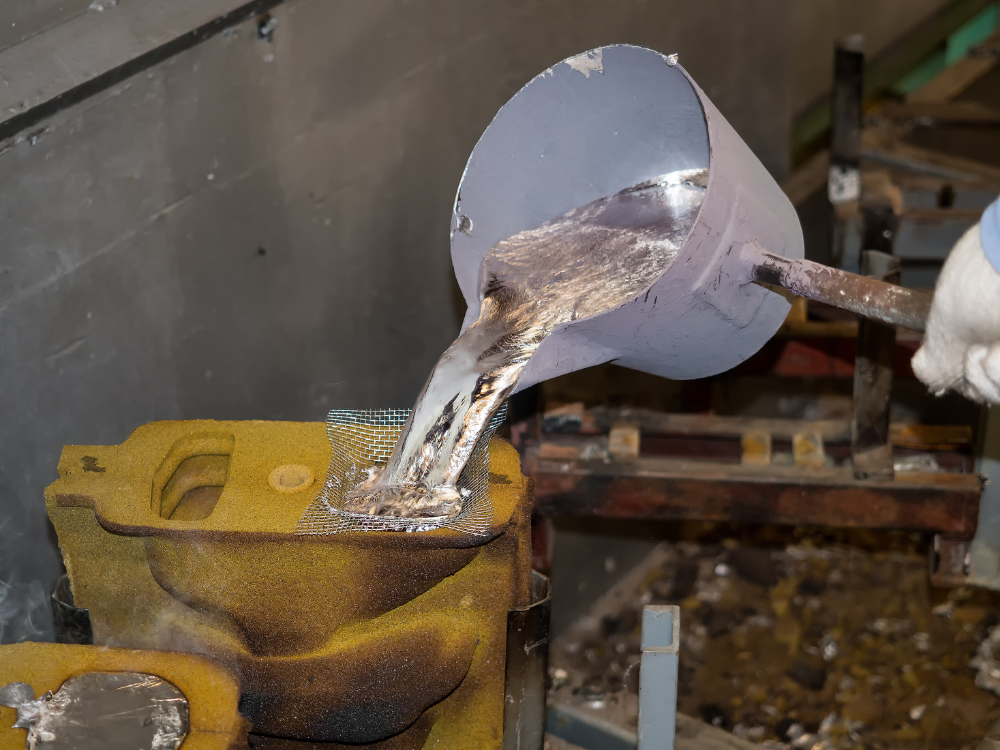
Every casting starts the same way, with foundry ladles. Whether it is iron at 2,600°F, steel at 3,200°F, or aluminum at 1,300°F, someone or something has to safely pick up that liquid metal and put it exactly where it needs to go. That job falls to the ladle, one of the most underappreciated pieces of…
Read MoreFoundry Temperature Measurement

Accurate foundry temperature measurement is the backbone of consistent metal quality. Whether you’re tapping a cupola, treating a ladle, or pouring investment castings, knowing the exact temperature of molten metal in real time determines everything from mechanical properties to yield. For decades, foundries and steel mills have relied on Heraeus Electro-Nite, “HEN” for immersion thermocouples…
Read MoreNodulizers in Ductile Iron: Making It Spheroidal
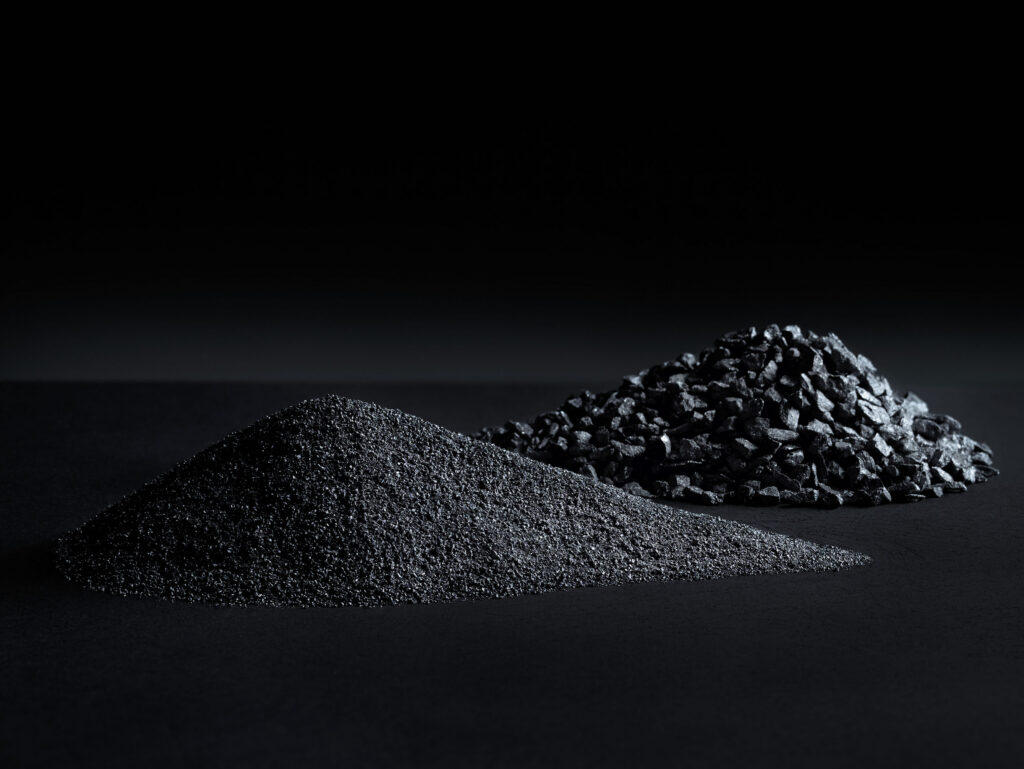
Every piece of ductile iron starts with a single chemical decision: how do you convince the carbon in molten iron to form round graphite instead of sharp flakes? The answer is magnesium, delivered through a carefully engineered alloy called magnesium ferrosilicon, or MgFeSi. Understanding how this alloy works, which grade to choose, and how to…
Read More