Foundry Molding · Core Making · Chemical Binder Systems
Chemical Binders for Foundry Molding and Core Making
Carpenter Brothers, Inc. supplies a comprehensive range of foundry chemical binders and resin systems from HA International (HAI) for molding and core-making applications. These systems include organic and inorganic binder technologies designed to support a variety of casting processes, production environments, and foundry requirements.
- Cold box resin systems
- No-bake binder systems
- Multiple binder chemistries
Binder Fundamentals
What Are Chemical Binders in Foundry Applications?
Chemical binders are used to bond sand particles together so molds and cores maintain the strength, dimensional stability, and integrity required throughout handling, assembly, pouring, and casting solidification.
The appropriate binder system depends on many factors, including the molding or core-making process, sand type, casting alloy, production rate, required strength, environmental conditions, and desired shakeout characteristics.
For chemically bonded sand systems, foundries must balance several performance considerations. Core and mold strength are important, but so are sand bench life, curing characteristics, humidity resistance, release properties, productivity, and overall process consistency.
Carpenter Brothers supplies HA International chemical resin systems to provide foundries with options for different molding and core-making requirements.
- Mold and core strength requirements
- Mixed-sand bench life
- Curing characteristics
- Humidity resistance
- Release properties
- Process consistency and productivity
HA International Binder Systems
HA International Foundry Binder Systems
HA International offers a broad lineup of organic and inorganic resin systems for the metal casting industry. Carpenter Brothers supplies these products to help foundries select binder technologies appropriate for their particular casting and production processes.
Available technologies include cold box and no-bake binder systems, with multiple chemistries available within these categories.
Rather than approaching every application with the same binder chemistry, foundries can select a system based on the performance characteristics that matter most to their operation.
Cold Box Binder Systems
Cold box resin systems support core-making operations where strength, mixed-sand bench life, humidity resistance, dimensional stability, and release characteristics are important.
No-Bake Binder Systems
No-bake systems provide foundries with multiple chemistry options for molds and cores that harden through a chemical reaction without externally applied curing heat.

Core-Making Technology
Cold Box Resin Systems for Foundry Core Making
Cold box technology is widely used for producing foundry cores. In a cold box process, chemically treated sand is typically blown or introduced into a core box and cured to create a strong, dimensionally stable core.
High Core Strengths
Cold box binder systems can provide the strength needed for cores to maintain their integrity during handling, storage, mold assembly, pouring, and casting production.
Long Mixed-Sand Bench Life
Longer mixed-sand bench life can provide foundries with greater flexibility when managing sand preparation, core-making operations, and production schedules.
Humidity Resistance
Humidity resistance can be especially important where atmospheric conditions or storage environments have the potential to affect core strength and overall performance.
Good Release Characteristics
Proper release characteristics can support efficient core production while helping maintain the dimensional quality and integrity required by the casting process.
Chemically Bonded Molding
No-Bake Binder Systems for Foundry Molds and Cores
Carpenter Brothers also supplies HA International no-bake binder systems covering a diverse range of chemistries.
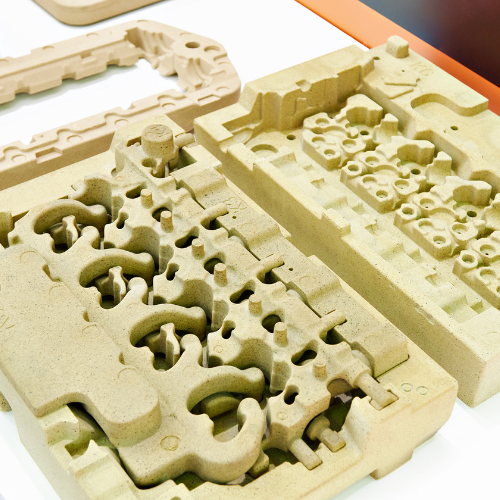
No-bake molding is commonly used when producing molds and cores without externally applied heat for curing. The binder components are mixed with sand, and a chemical reaction allows the mold or core to harden.
No-bake systems can be particularly valuable to jobbing foundries that manufacture castings with varying dimensions, geometries, alloys, and production volumes.
HA International's range gives foundries multiple chemistry options so the binder system can be more closely matched to the particular application.
Ask About No-Bake Binders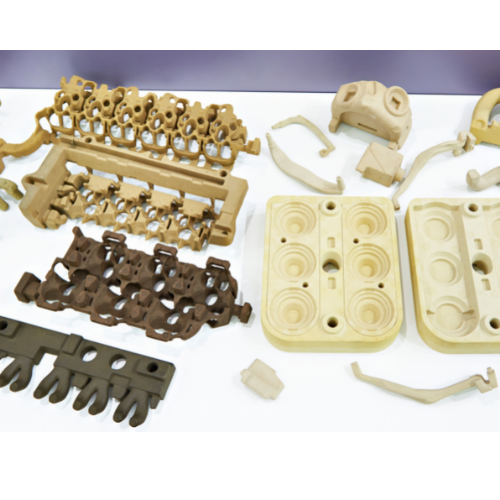
Phenolic Urethane Chemistry
Phenolic Urethane Binder Systems
Available chemistries include phenolic urethane cold box (PUCB) and phenolic urethane no-bake (PUNB) systems for chemically bonded molds and cores.
Phenolic urethane chemistry is used throughout the foundry industry for chemically bonded molds and cores. The choice between cold box and no-bake technology depends on the production process and the method used to manufacture the mold or core.
Because binder performance depends on the complete molding system, foundries should evaluate factors such as sand characteristics, desired working time, curing requirements, casting configuration, and production conditions when selecting a phenolic urethane system.
Binder Chemistry Options
Additional No-Bake Binder Chemistries
In addition to phenolic urethane systems, Carpenter Brothers supplies access to several other HA International no-bake binder technologies.
- Phenolic no-bake (PNB) systems
- Ester-cured phenolic systems
- Acid-cured binder systems
- Furan no-bake (FNB) systems
- Phenolic urethane no-bake (PUNB) systems
- Multiple options for varying foundry production requirements
Each chemistry has different processing and performance characteristics, giving foundries the ability to select a binder based on the needs of the application rather than relying on a single resin technology.
For jobbing foundries in particular, having access to multiple binder chemistries can be valuable because production requirements may change substantially from one casting to another.
Binder Selection
Selecting a Chemical Binder for Your Foundry
Choosing the appropriate foundry binder requires more than identifying whether the operation uses cold box or no-bake molding. Binder selection should consider the complete molding and casting process.
Changes in sand characteristics, mold or core geometry, production rates, casting alloy, pouring conditions, humidity, equipment, and required strength can all affect which binder chemistry is appropriate for the process.
For this reason, foundries evaluating a new binder system or troubleshooting an existing process should consider both the binder chemistry and the operating conditions surrounding it.
Talk to a Technical Sales RepresentativeApplication Considerations
Factors to Consider When Choosing a Foundry Binder
Binder selection should account for the complete mold or core production process. The correct chemistry should support the requirements of the sand system, casting process, equipment, environment, and production objectives.
Mold and Core Performance
Consider mold or core strength requirements, desired working characteristics, release properties, and the dimensional stability required through handling and pouring.
Sand and Environmental Conditions
Sand characteristics, mixed-sand bench life, humidity conditions, and storage environment can all influence binder system performance.
Casting and Production Requirements
Casting alloy, pouring conditions, mold and core geometry, production rates, and the range of castings produced should be evaluated during binder selection.
Existing Foundry Equipment
Binder chemistry should be evaluated alongside existing molding equipment, core-making equipment, sand preparation systems, curing methods, and overall process controls.
Complete Molding Process
Chemical Binders as Part of the Complete Molding Process
Binder performance cannot be separated entirely from the other materials and equipment involved in mold and core production. Foundry sand, additives, mixing equipment, core machines, molding equipment, coatings, and process controls can all influence the finished mold or core.
Carpenter Brothers supplies products and equipment across these areas of the molding and core-making process. This broader foundry focus allows our technical sales team to discuss chemical binder requirements within the context of the customer's overall operation.
Carpenter Brothers has served the metal casting industry since 1917 and combines its product offering with technical sales support and foundry experience.

Foundry Chemical Binder Supply
Work With Carpenter Brothers for Foundry Chemical Binders
Whether your operation uses cold box, no-bake, or multiple mold and core production processes, selecting the proper chemical binder can help support mold and core integrity, process consistency, and efficient production.
Carpenter Brothers, Inc. supplies HA International chemical binders and resin systems, including cold box resins and multiple no-bake chemistries such as phenolic urethane, phenolic, ester-cured phenolic, acid-cured, and furan systems.
Our team can help you evaluate available binder options based on your molding or core-making process, casting requirements, and operating conditions.
Talk with a Carpenter Brothers technical sales representative to discuss your application and find the appropriate HA International binder system for your foundry.