
Melting & Melt Quality
How Smarter Abrasive Choices Are Transforming Foundry Cleaning Rooms
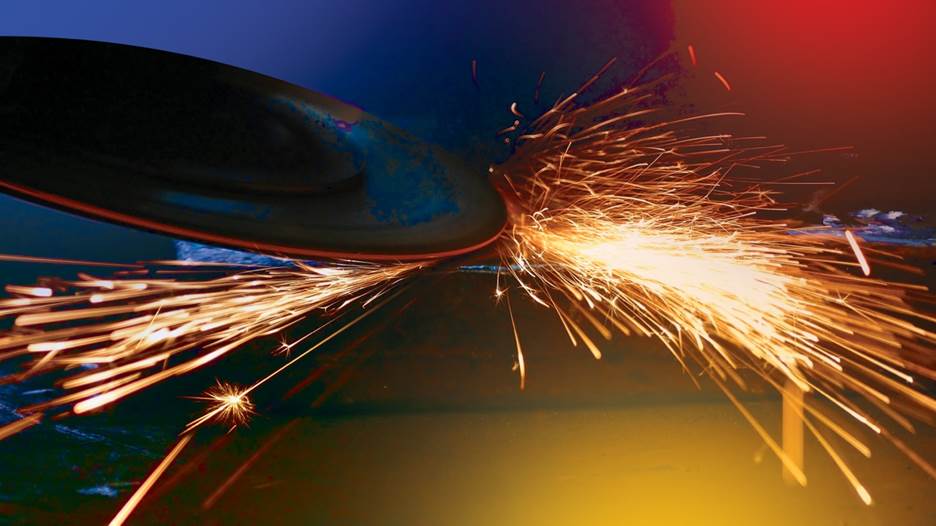
Every iron casting that leaves a foundry has first been through a gauntlet of grinding, cutting, and finishing work that most buyers never see. Gates and risers, the solid metal channels and reservoirs that feed molten metal into the mold, must be severed cleanly from the part. Flash and parting-line seams left by the mold…
Read MoreAdvancing Foundry Melt Shops with Induction Technology
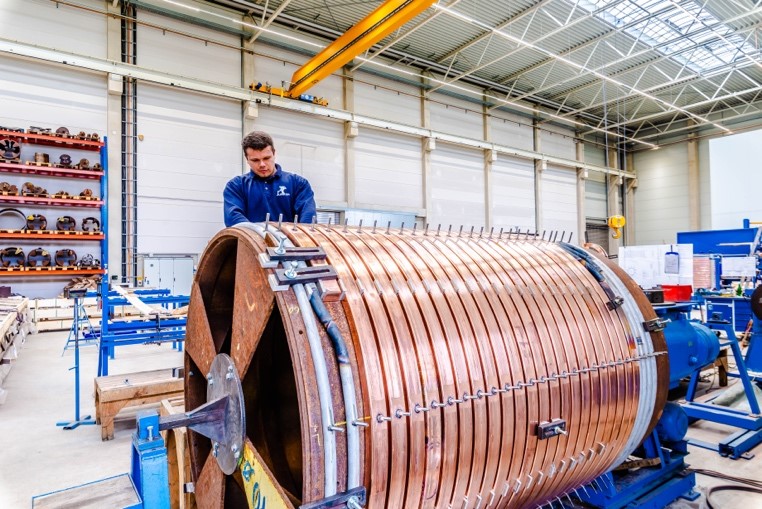
Foundries today face growing pressure to increase productivity, reduce energy consumption, enhance metallurgical control, and operate with greater environmental responsibility. Otto Junker’s portfolio of medium-frequency coreless induction furnaces and channel-type induction furnaces provides a technologically advanced solution designed to meet these requirements. These systems offer a combination of high-power density, excellent process control, operational flexibility,…
Read MoreCritical Role of Inoculants in Gray & Ductile Iron Production
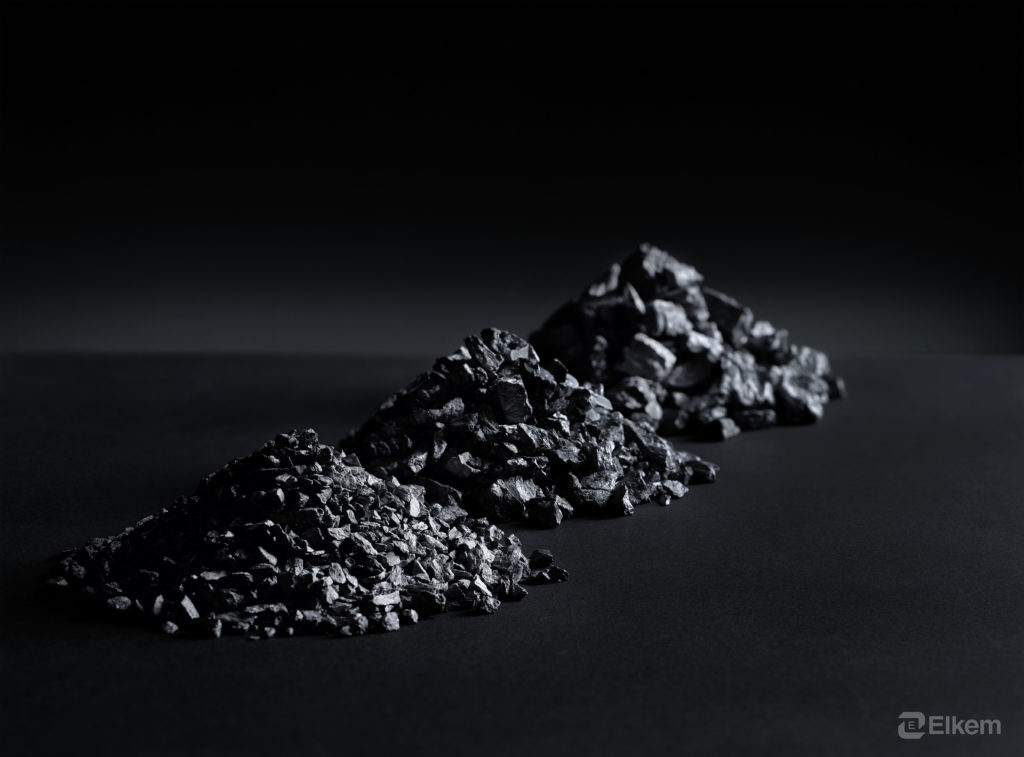
For metallurgists and foundry engineers, the quest for perfecting cast iron components is a continuous pursuit of balance and precision. Achieving desired mechanical properties, ensuring castability, and eliminating defects are daily challenges. At the heart of this endeavor lies a critical, yet often misunderstood, metallurgical process: inoculation. This practice is fundamental to controlling the final…
Read MoreAluminum Fluxes 101
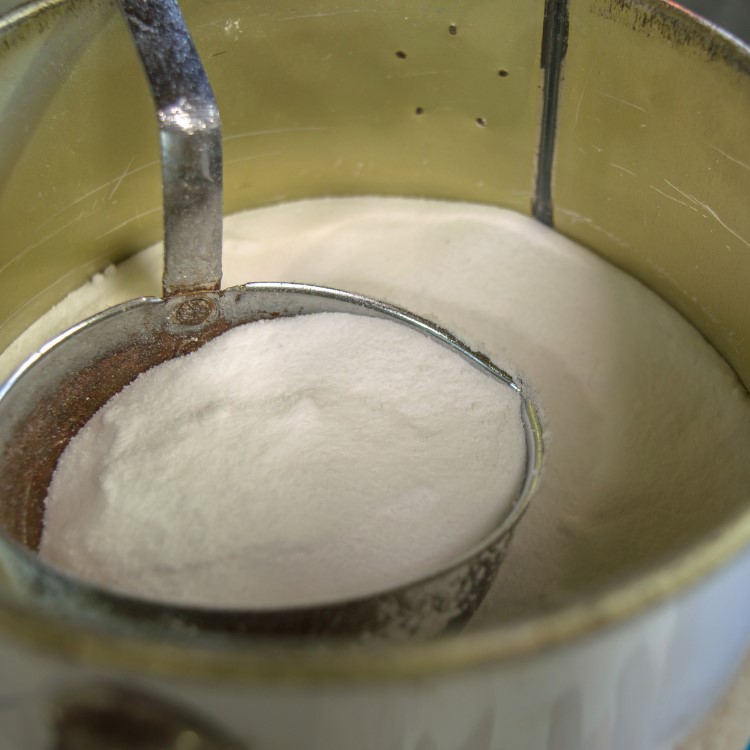
Basics of Furnace Cleaning, Dross Handling and Wall Cleaning JOHN REYNOLDS | Originally published Fall 2022 Casting defects, energy usage, metal recovery, ergonomics, and labor are cost variables addressed by properly identifying and applying fluxes for the aluminum casting operation. Proper selection and application are especially important to realize the benefits that flux can provide.…
Read MoreThe Why’s and How’s of Fluxing Aluminum
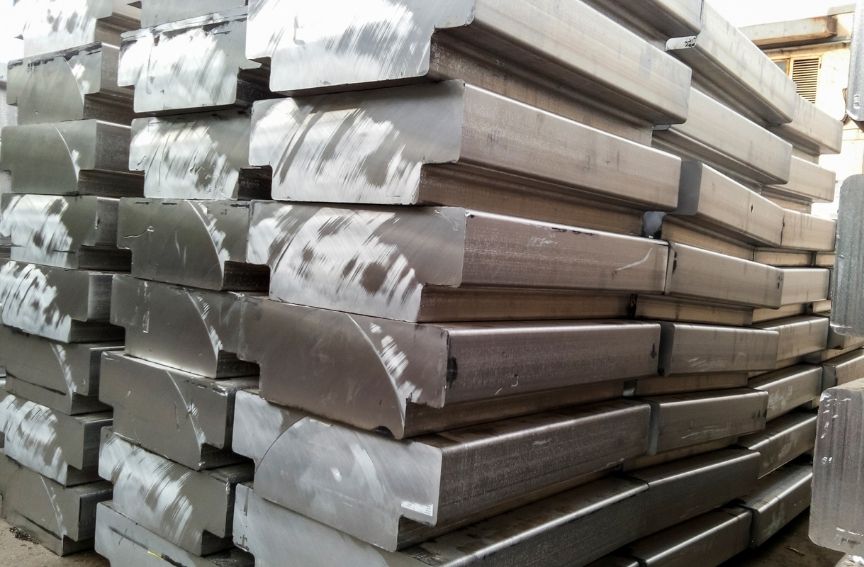
FLUXING ALUMINUM Casting of Aluminum 101: Types of Melting Furnaces There are several types of furnaces that are used to melt aluminum. The most popular are: 1) Gas fired crucible furnaces 2) Reverberatory furnaces 3) Electric resistance furnaces. Schematic diagrams of these furnaces are shown below. There are a multitude of electric furnaces used to…
Read MoreManaging Coreless Induction Furnace Slag Build-Up

Coreless induction furnace fluxing will eliminate build-up on sidewalls, improve slag fluidity, improve electrical efficiency, keep furnace volumes and ladles constant, and extend refractory life. By Rod Naro In the past 60 years, melting methods of ferrous charge metals in coreless induction furnaces have changed dramatically. In today’s foundry industry, a major economic driver is…
Read MoreIntroduction to Basic Foundry Practices Seminar

May 14th, 2024, Nenah, WI or May 16th, 2024, Grand Rapids, MI RSVP By May 1st to j.beyer@carpenterbrothersinc.com or call in a reservation to (262) 512-4300
Read MoreManaging Heat Loss In Iron Furnaces & Ladles
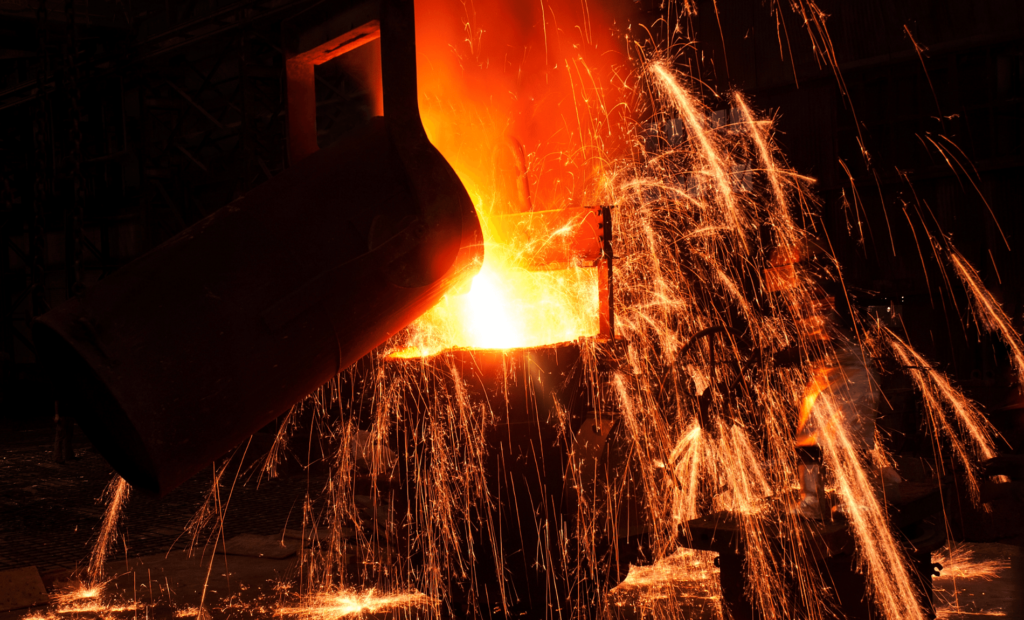
Managing Heat Loss Heat loss is a significant concern in many foundries as it costs money to heat iron to the required temperature. Therefore, it is essential to take measures to keep the iron at the desired temperature for as long as possible. One way to achieve this is by selecting the appropriate type of…
Read MoreTips For Better Mag Recovery in Ductile Iron
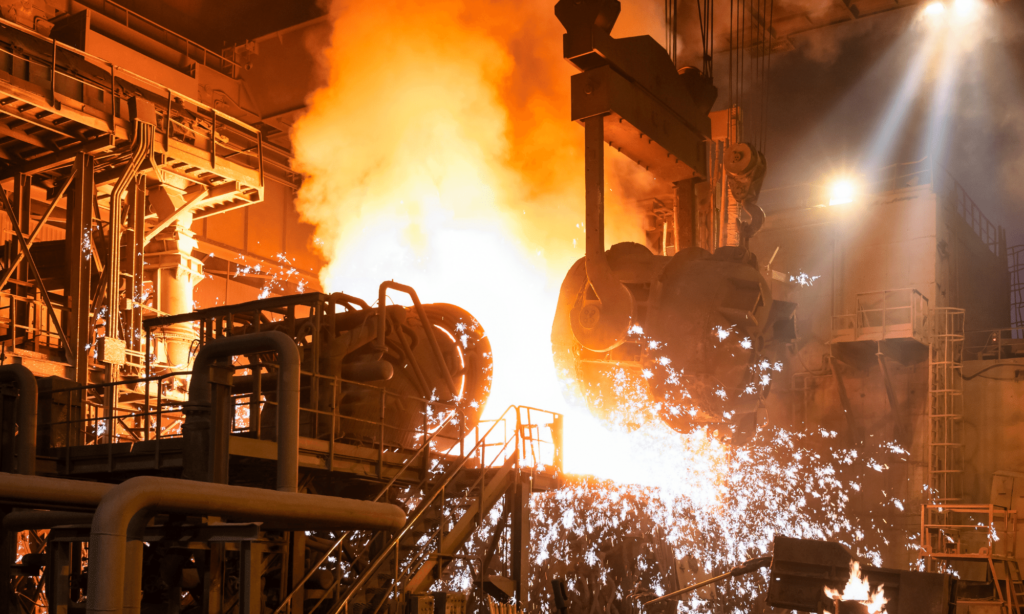
Improving MgFeSi Recovery in Ductile Iron While using MgFeSi to produce ductile iron can be very cost-effective compared to alternative treatment methods, it can sometimes get out of hand with high usage rates. Several benefits can be realized when improving the recovery of magnesium in producing ductile iron and lowering those addition rates. The addition…
Read More