Managing Heat Loss
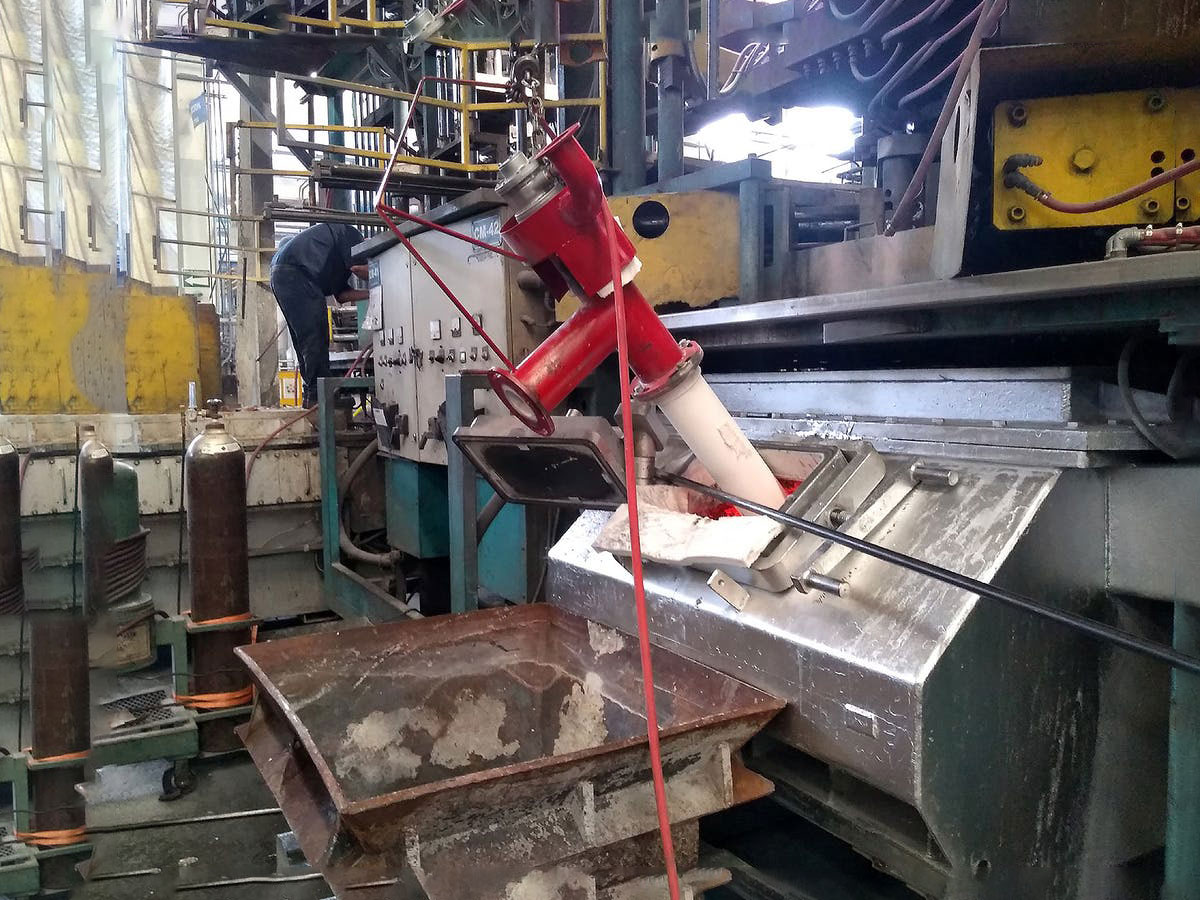
Heat loss is a significant concern in many foundries as it costs money to heat iron to the required temperature. Therefore, it is essential to take measures to keep the iron at the desired temperature for as long as possible. One way to achieve this is by selecting the appropriate type of refractory.
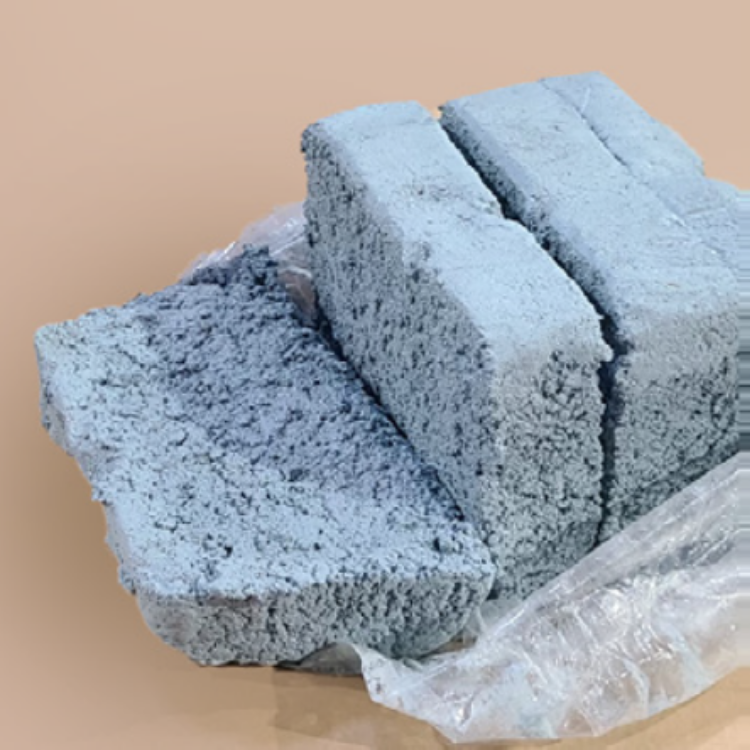
The alumina content is a critical factor to consider when selecting a refractory. High alumina refractories are wear-resistant but conduct heat readily, while low alumina refractories are less wear-resistant but more insulating. High alumina refractories are more expensive than low alumina materials. Therefore, the need for wear resistance versus heat transfer needs to be weighed. In areas where a refractory can be checked or repaired regularly, a low alumina refractory is suitable, especially where its wear can be monitored. Higher alumina refractories should be used in areas where wear cannot be monitored easily.
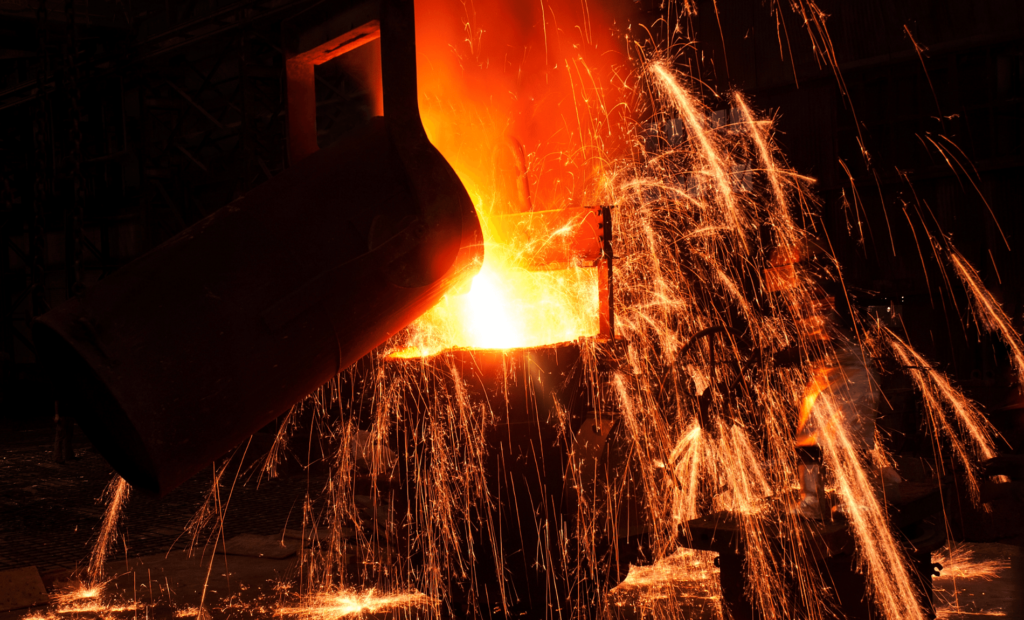
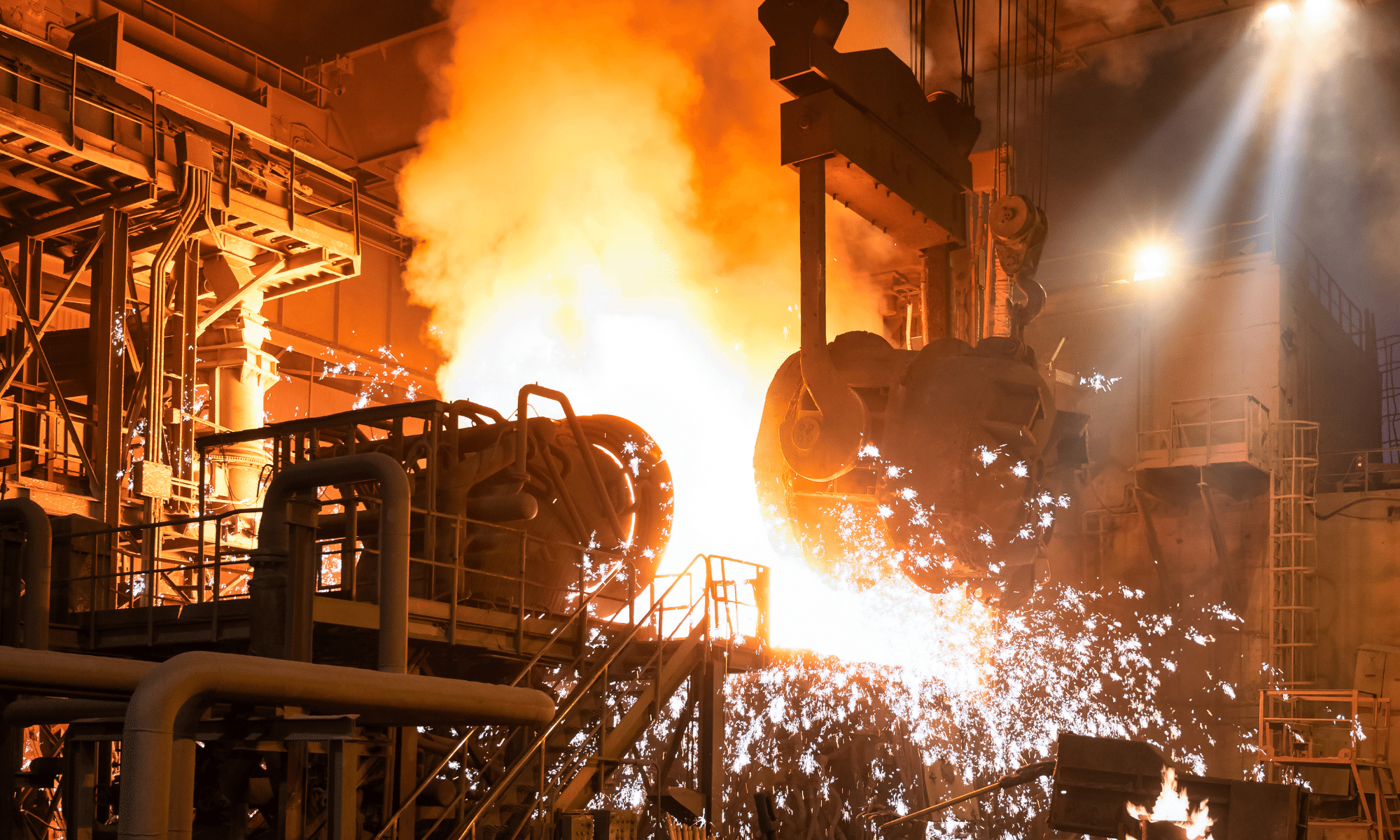
Heat loss or transfer can be reduced further in any lumina-type refractory by using a backup insulating paper refractory between the steel shell of the ladle and the refractory. A 1/8″ insulating paper glued to the steel shell before lining helps greatly. In applications where monitoring a lining is difficult and thicker linings are utilized, an insulating paper and a thin insulating brick can also work very well.
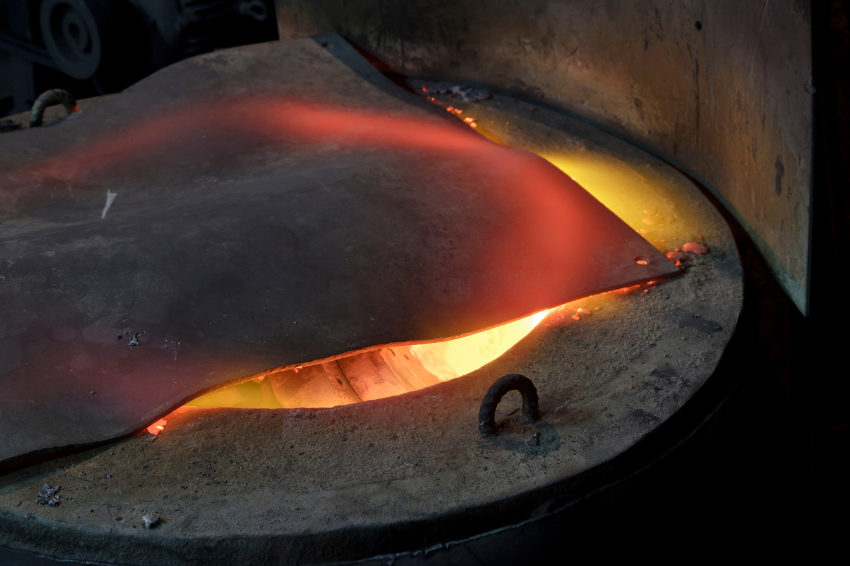
Openings are another source of heat loss. Ladle covers should be used wherever possible, and removable covers work best. When ladles are hot and waiting for iron, they should be covered or, where possible, turned upside down as heat rises and will not escape readily from an upside-down ladle. Pouring boxes, pouring units, and runner systems should cover all openings where possible. Runner systems used only when transferring a melting furnace into a holding furnace should always be covered to hold in the heat from the iron previously transferred through the runner.
Ladles and Skimmers
Furnaces And Ovens