Why Foundry Sand Testing Matters
Green sand performance changes as water, clay, additives, reclaimed sand, new sand, and core materials move through the system. Sand that performs well during one shift may behave differently after changes in temperature, production rate, return sand condition, or core material additions.
Regular testing gives foundry personnel measurable information they can use to evaluate the molding sand and adjust the preparation process. Depending on the application, controlled sand properties may help reduce the risk of:
- Poor mold strength
- Metal penetration
- Erosion and sand inclusions
- Gas-related defects
- Scabbing and expansion defects
- Inconsistent mold hardness
- Dimensional variation
- Excessive scrap and rework
Testing frequency should be based on production volume, process stability, customer requirements, internal quality procedures, and applicable test methods.

Permeability Testing
Permeability measures the ability of compacted sand to allow gases to pass through the mold. Testing is commonly performed on a prepared two-inch specimen under controlled conditions.
Digital permeability meters and other permeability testing units are available for foundries that monitor gas-flow characteristics in their molding sand systems.
Clay and Sand Composition Testing
The amount and condition of clay within a green sand system affect bonding, compactability, strength, and water demand. Carpenter Brothers supplies equipment and laboratory materials for measuring active clay and evaluating total clay content.
Available clay-testing products include:
- Digital automatic methylene blue clay testers
- Manual methylene blue test equipment
- Auto clay washers
- Ultrasonic scrubbers
- Hardened filter paper
- Premixed methylene blue solution
- TSP crystals and testing supplies
Methylene blue testing is commonly used to estimate active clay in system sand or dust-collection samples. Results should be interpreted alongside other sand-system measurements rather than as an isolated indicator.
Grain Size and Sieve Analysis
Sand grain size and distribution influence permeability, surface finish, binder demand, compactability, and mold performance. Carpenter Brothers offers ASTM-sized sieves, sieve shakers, scales, balances, and grain-size calculation tools for evaluating new and system sand.
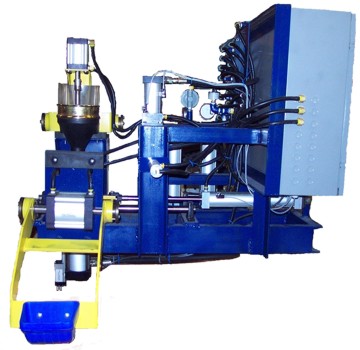
A sieve shaker moves sand through a controlled stack of screens, separating particles by size. The retained weights can then be used to calculate grain distribution and related values according to the selected test method.
Laboratory Ovens and Sample Preparation
Proper sample preparation is necessary for repeatable test results. Available laboratory equipment includes high-temperature ovens for loss-on-ignition and volatile-content procedures, as well as lower-temperature ovens and rapid dryers for drying sand samples.
Carpenter Brothers also supplies specimen tubes, rammer bases, balances, scales, and other accessories needed to prepare standardized laboratory samples.
Request Sand Testing Equipment
Whether you need a compactability tester, permeability meter, universal strength machine, clay-testing equipment, sieve shaker, laboratory oven, or complete automated testing system, Carpenter Brothers can help you evaluate the available options.
Contact Carpenter Brothers to discuss your foundry sand testing requirements and request equipment recommendations.
Carpenter Brothers — Your Partner in Quality
Carpenter Brothers, Inc. supplies high-performance molten metal sampling tools backed by decades of industry experience. Whether you’re taking routine quality checks or preparing samples for lab certification, our products help streamline the sampling process — making your melt quality data more reliable and actionable. If you don’t see what you need here, contact us—we can help you find the right sampling tools for your facility’s melt control objectives.